
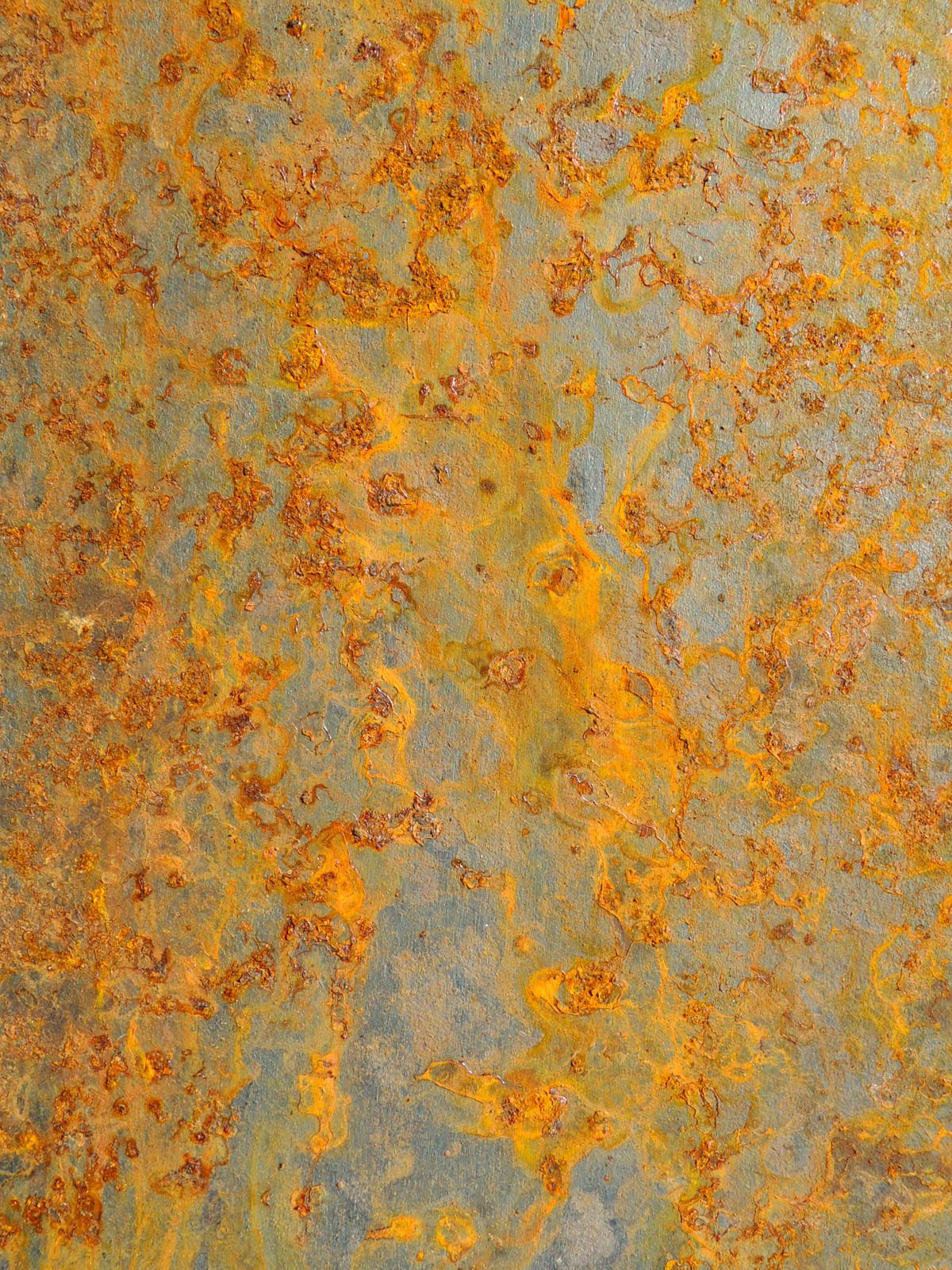
Rust removal
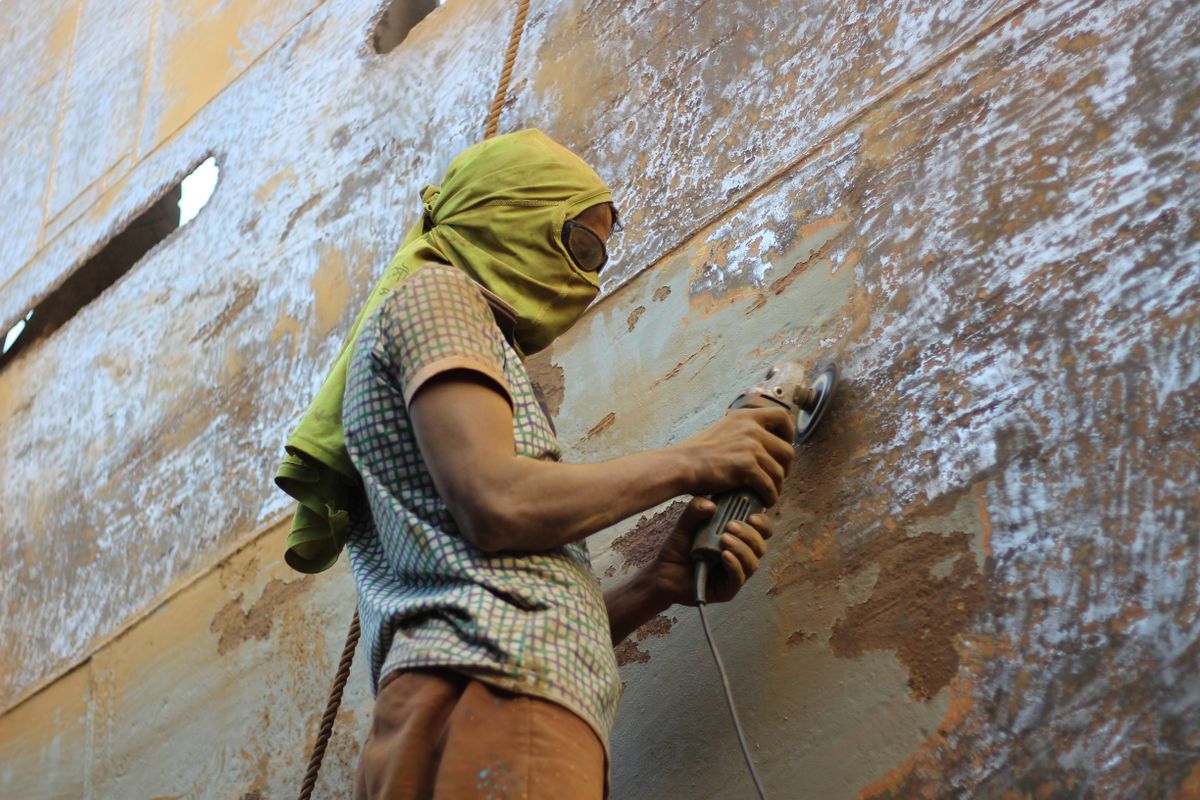
Corrosion and mill scale lifted off structural steel, tooling and equipment without grit or chemicals.
DetailsIndustrial laser cleaning contractors
On-site and in-shop laser cleaning for steel, stainless and aluminum. Dry, abrasive-free and chemical-free, so there is no blast media or solvent to clean up afterward.
Laser cleaning ablates the contaminant layer and leaves the part. Here is the work we take on most.
One method, applied to the jobs where abrasives and chemicals cause more trouble than the contamination itself.
Corrosion and mill scale lifted off structural steel, tooling and equipment without grit or chemicals.
Details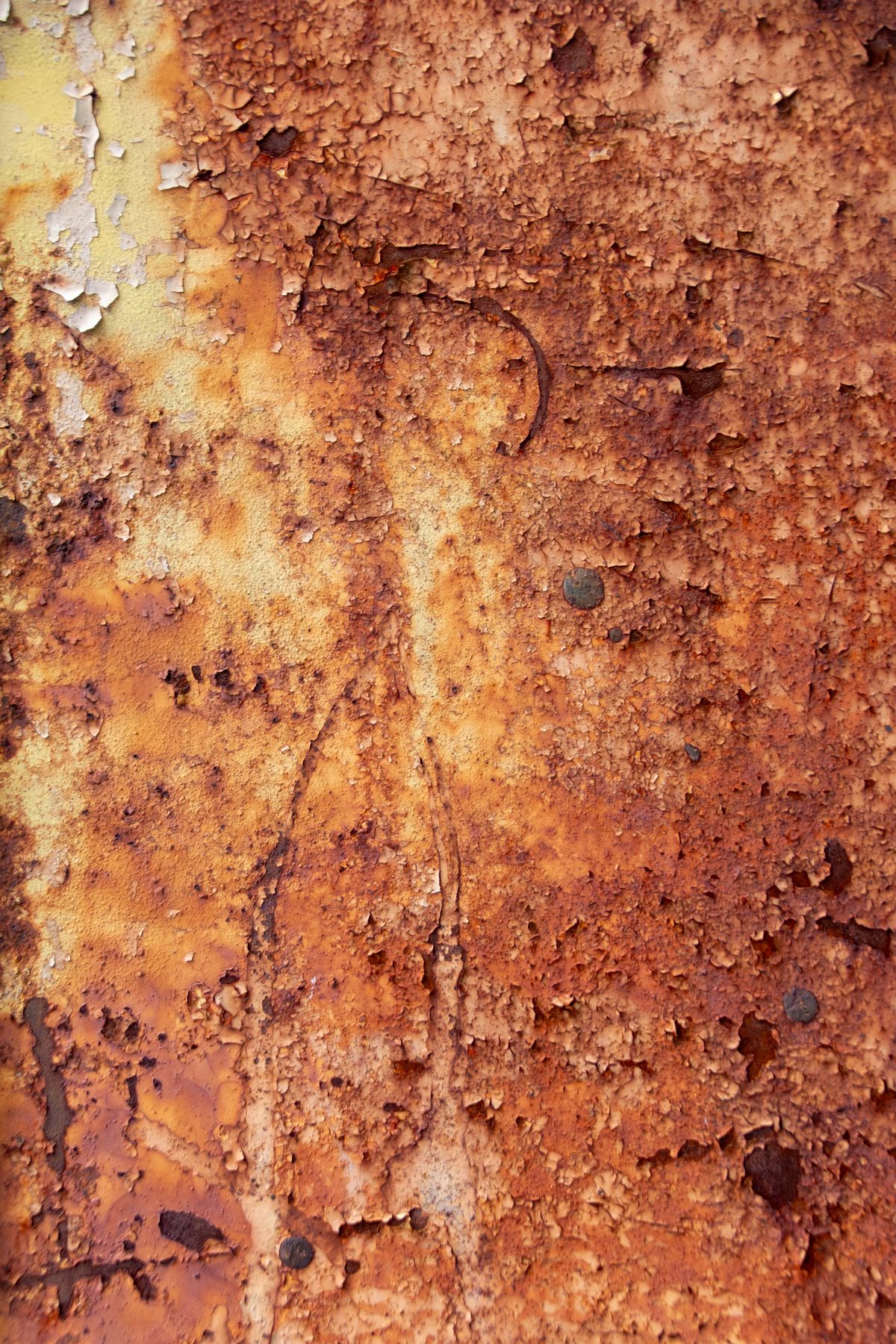
Layered paint, primer and coatings stripped back to the substrate, with controlled edges for repainting.
Details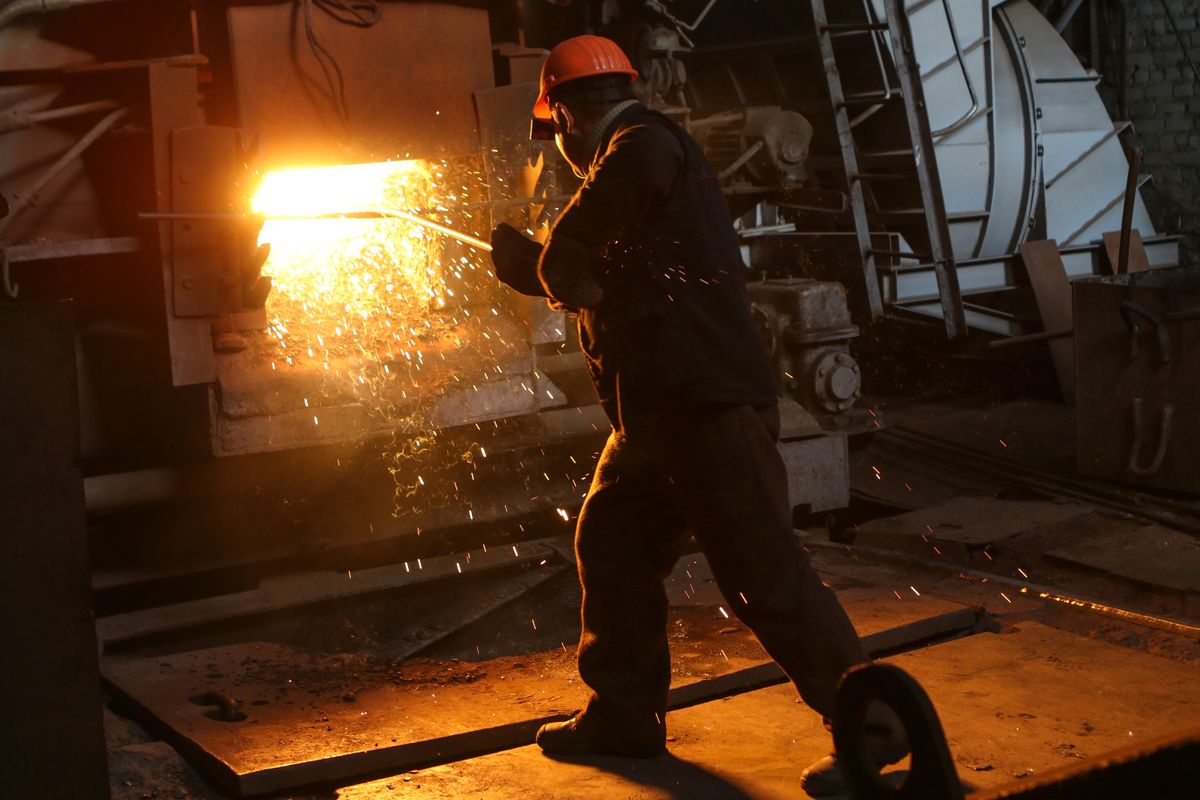
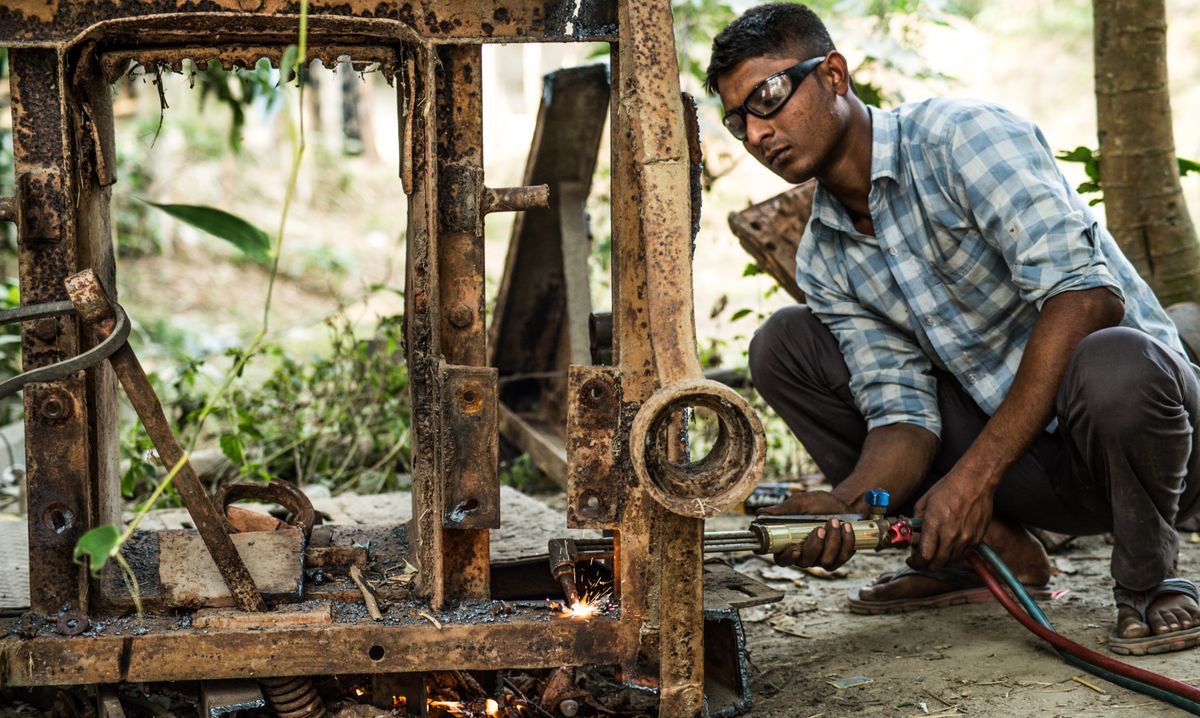
Oxide and contamination cleared from joints before welding, discoloration and spatter cleared after.
Details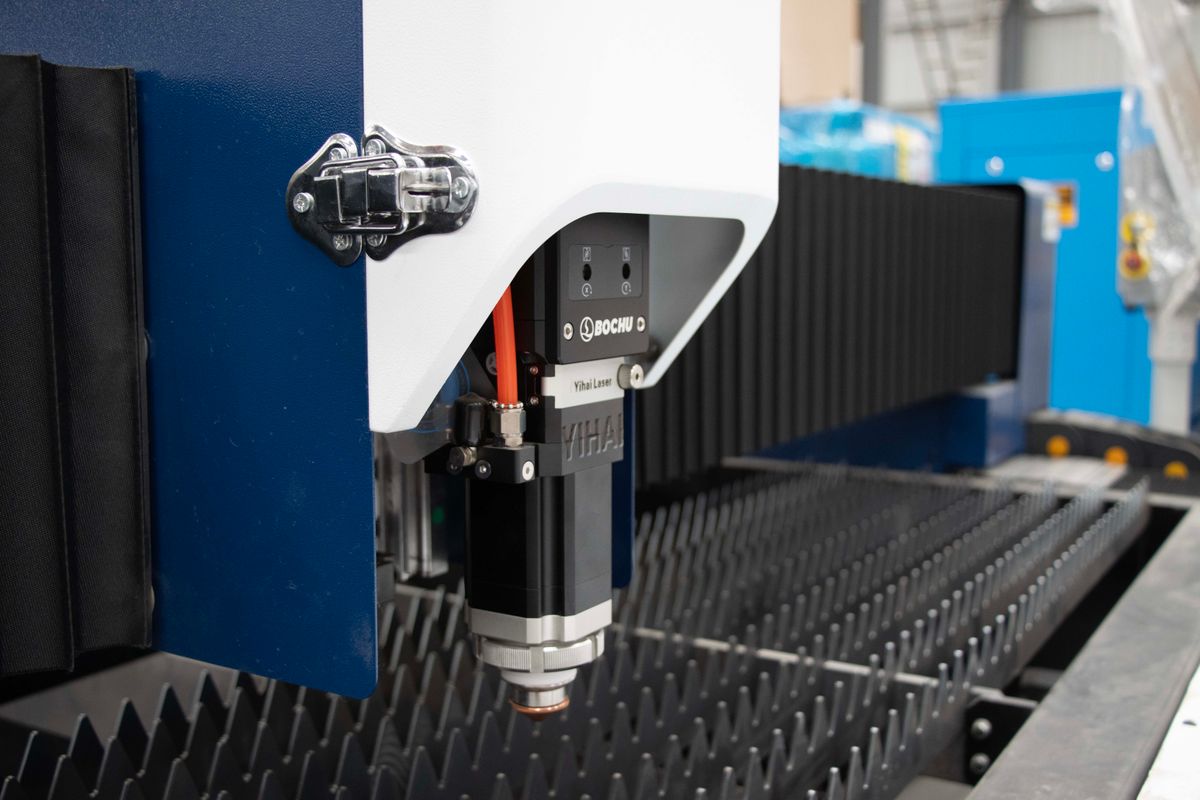
Residue and build-up removed from production tooling in place, with no disassembly and no abrasion of the cavity.
DetailsNo method wins everywhere. This is how the common options typically compare for metal surface cleaning.
| Factor | Laser | Abrasive blasting | Dry ice | Chemical stripping |
|---|---|---|---|---|
| Consumables | None. Electricity only. | Grit or media, every job | Dry ice pellets | Chemical strippers |
| Secondary waste | Captured residue only | Spent media plus residue | Residue only | Spent chemical to dispose of |
| Effect on base metal | Low when tuned to the substrate | Abrasive. Can change the surface profile | Gentle | Can etch if misapplied |
| Heavy rust and coatings | Yes, slower on thick build-up | Fast on bulk | Often too gentle | Soak time and rinse |
| Selective, precise areas | Strong fit | Hard to mask | Moderate | Hard to contain |
General comparison. Results depend on substrate, coating and setup.
Send photos, the base material, what is on it and the finish you need. We confirm access, power and location.
We run a small area on your part. You approve the finish before the full job is priced and scheduled.
Laser work needs a controlled area, eye protection and fume extraction. We plan it with you before we arrive.
We clean to the agreed finish and walk it with you. Bare metal re-oxidizes, so we flag how soon to coat.
Industrial and commercial work where downtime, waste and surface damage all cost money.
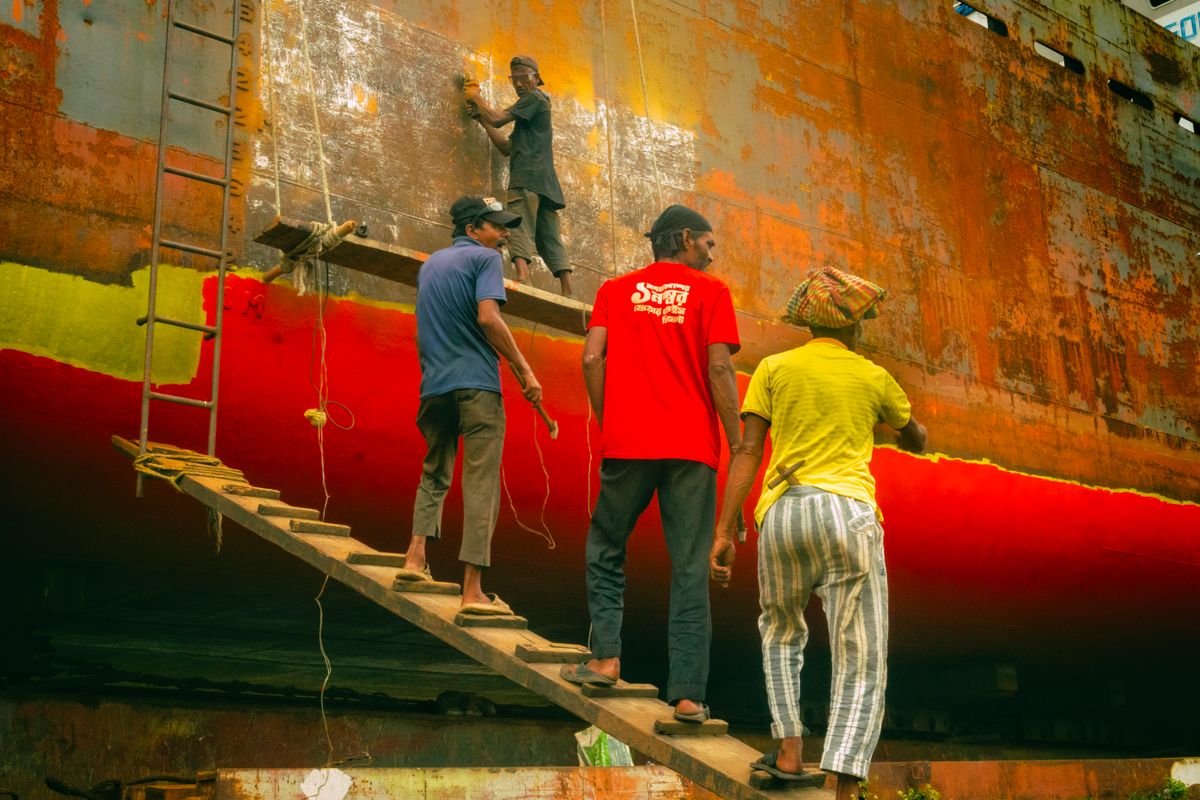
Hull plating, decks, anchor gear and fittings. Coatings come off to bare steel in dry dock or alongside, without blast media washing into the water.
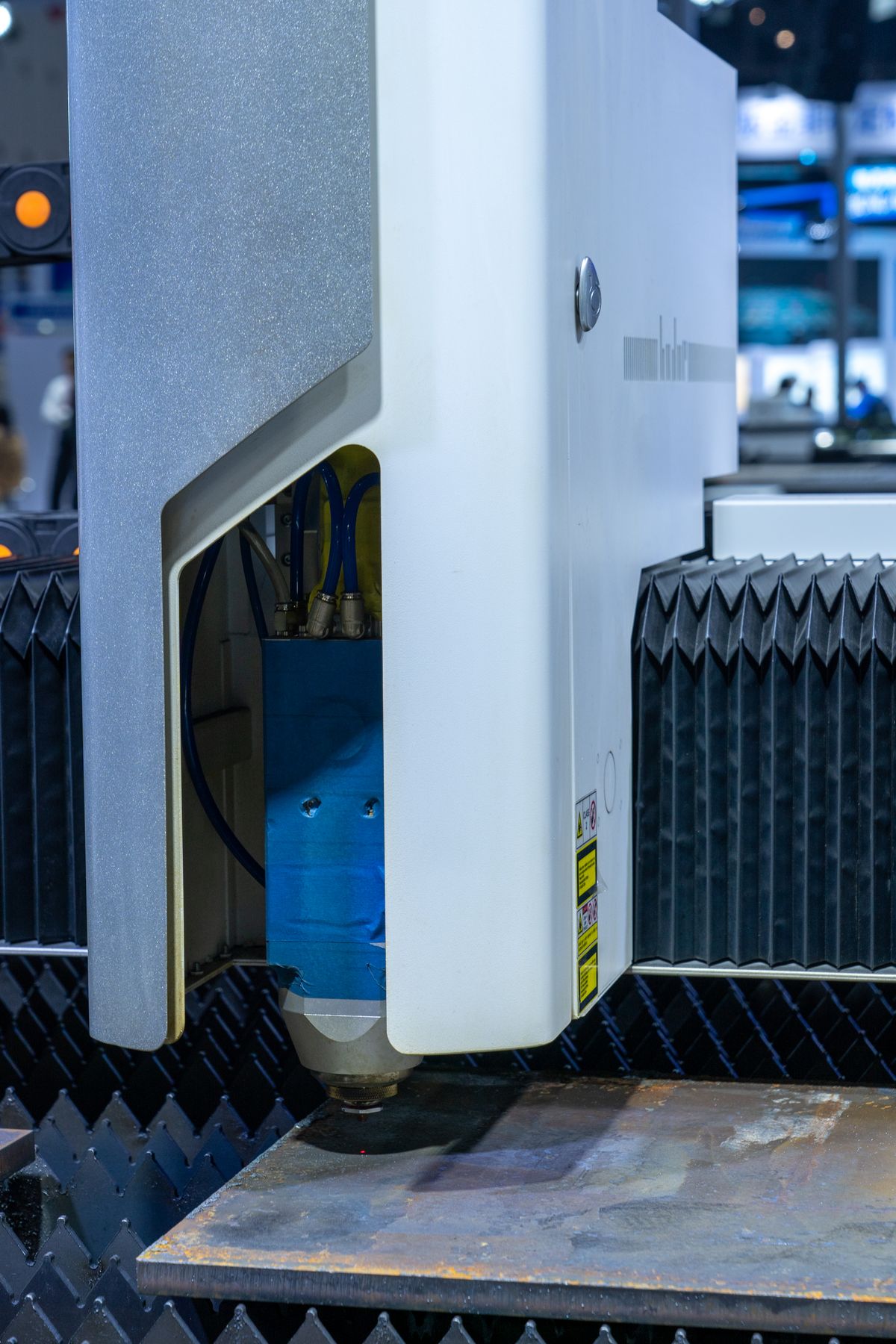
Molds, dies, rollers and production lines cleaned between runs, often in place, so the line stays down for hours instead of days.
Surface prep before welding and cleanup after it, on plate, pipe and structural sections, to your weld procedure.
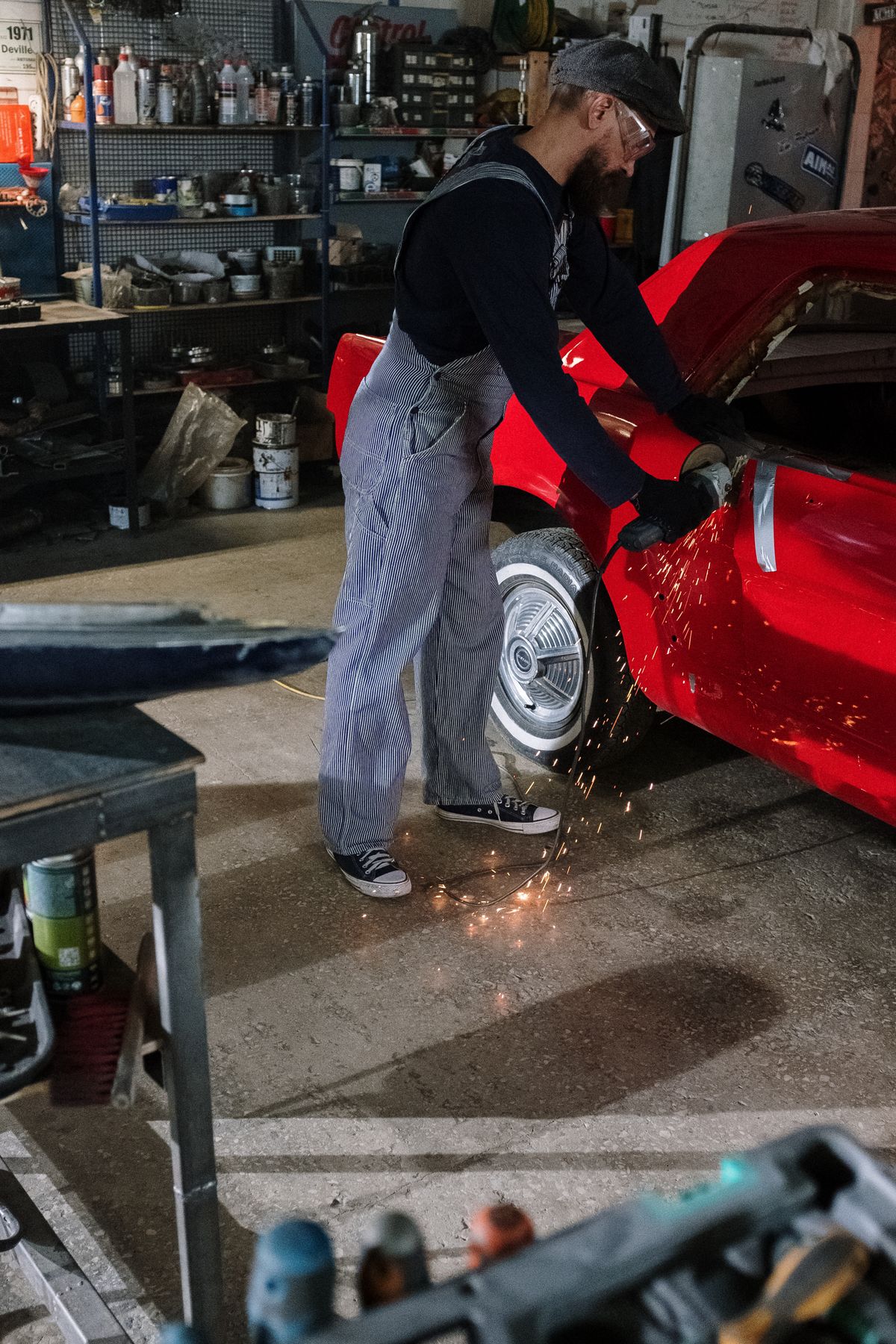
Chassis, frames, brake and drivetrain components, and restoration work where grinding or blasting would remove too much.
We would rather tell you before you pay for a job than after. These are the cases where we will point you elsewhere or change the plan.
Not when the parameters are set for the substrate. We run a test patch on your part first and agree the finish with you before the full job.
Yes. On-site work depends on access, power and the safety controls we confirm at scoping. Smaller parts can also be cleaned in-shop.
Mainly carbon steel, stainless steel, aluminum and cast iron. Masonry and stone are assessed case by case.
Industrial cleaning lasers are high-power. The work area is controlled, everyone in it wears the right eyewear, and fumes are extracted. We set this out in a site plan before we start.
It is vaporized or released as fine particulate, and captured by extraction and filtration. There is no spent blast media to sweep up. Hazardous coatings need extra containment, so tell us what is on the surface.
By scope: surface area, coating thickness, access and location. Send details and photos for a written quote.
Send the material, what is on it and a few photos. We will tell you if laser is the right method, and quote it.